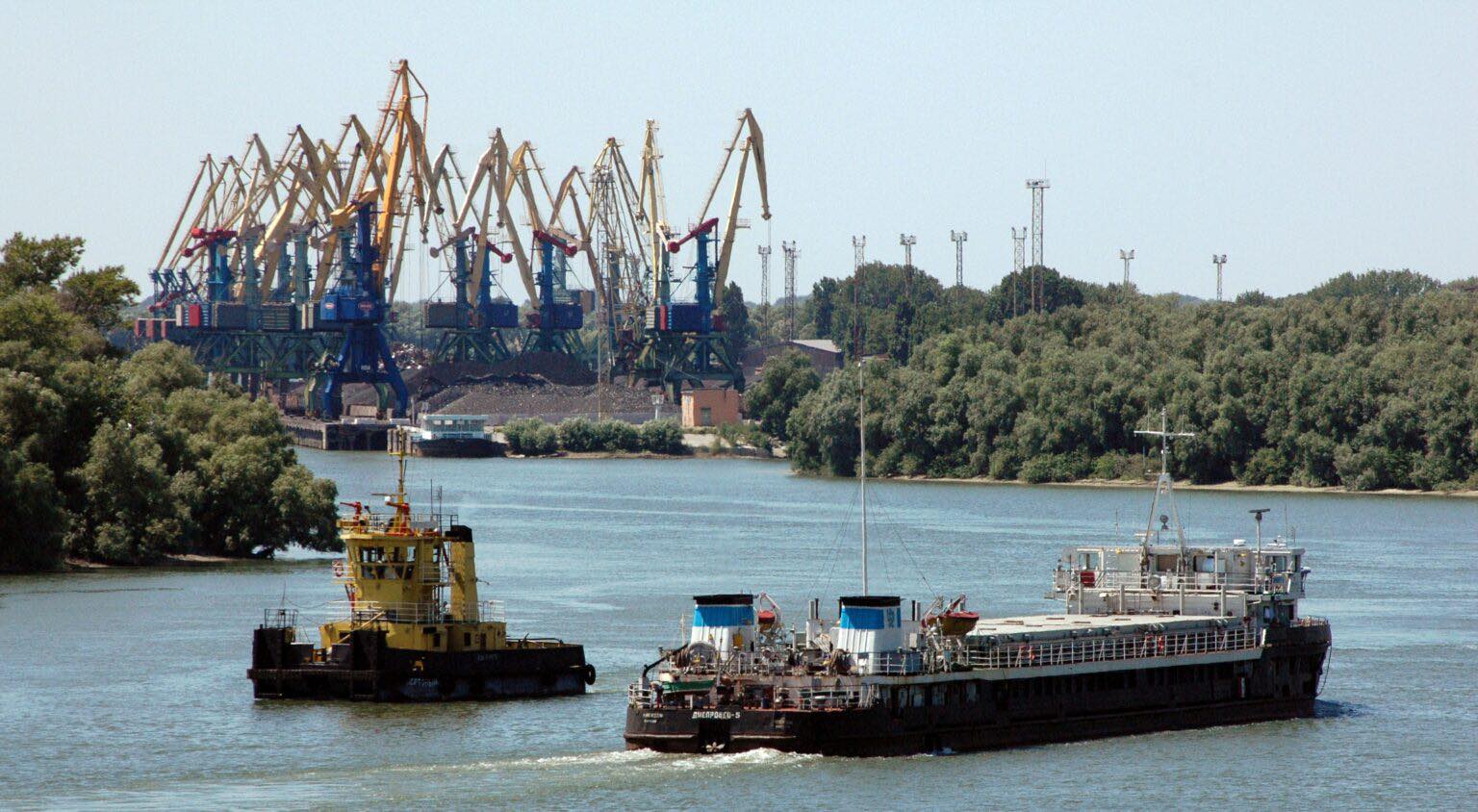
A joint order issued by the Odesa Regional Military Administration and the Naval Forces of Ukraine on July 18, 2025 has effectively halted the handling of ammonia-based cargoes and fertilizers in Ukrainian ports—triggering immediate disruption across the country’s logistics chains, port operations, and agricultural supply systems.
The decision, formalized under Order No. 113/18, introduces restrictions on vessel calls, cargo handling, transportation, and storage of ammonia-containing goods within Odesa region ports. While justified by security concerns during wartime, the blanket nature of the ban has raised serious concerns across the maritime and logistics industries.
Industry alarm: trade flows interrupted
The Association of International Freight Forwarders of Ukraine (AIFFU) has formally appealed to the government, military command, and key ministries, warning that the measure effectively freezes cargo flows at the peak of the agricultural season and interferes with foreign trade operations.
According to the association, the restriction was implemented without differentiation between hazard classes, cargo types, or handling methods, and without consultation with market participants. As a result, even relatively low-risk fertilizer products have been caught under a total ban.
This approach contradicts established international practices, where dangerous goods are classified and managed according to specific risk categories rather than prohibited wholesale.
Immediate economic impact
The consequences of the ban are already measurable.
Logistics costs for fertilizer imports have surged by more than $70 per ton, translating into estimated losses exceeding UAH 1 billion for Ukrainian businesses.
At the same time, Ukrainian ports are losing over $2 million in port dues, while cargo flows are being redirected to EU ports, particularly in Romania and Poland.
The shift has further weakened Ukraine’s already fragile maritime sector. Cargo throughput at Danube terminals has reportedly dropped by five to six times over the past year, forcing authorities to consider emergency support measures for port infrastructure.
For agricultural producers, the impact is direct: rising input costs threaten future harvests and reduce competitiveness in global markets. Ukraine currently lacks domestic production of key fertilizers such as ammonium nitrate, making imports critical to sustaining yields.
Regulatory concerns and legal ambiguity
AIFFU has also questioned the legal basis of the decision.
While the order references wartime legislation and maritime safety regulations, industry experts argue that Ukrainian law does not explicitly authorize such broad restrictions on commercial port operations or external trade.
Moreover, safety procedures for handling hazardous cargoes are already regulated through established frameworks, including international conventions and national maritime safety rules. Ports operate under detailed technological procedures that account for cargo classification, packaging, and risk mitigation.
The current ban, however, does not account for:
- hazard class differentiation
- cargo form (bulk, containers, big bags)
- operational conditions (daytime handling, direct transfer)
- existing port safety protocols
This raises concerns about proportionality and regulatory consistency.
With Ukrainian ports effectively closed to fertilizer cargoes, supply chains are rapidly shifting to neighboring EU countries.
Cargoes are now being rerouted through foreign ports, with onward delivery into Ukraine via rail. This not only increases costs but also introduces new risks. Industry stakeholders note that railway transport across large territories may present greater exposure to wartime threats compared to controlled port operations.
At the same time, the ban creates unintended competitive advantages for neighboring logistics hubs, effectively exporting economic activity that Ukrainian ports could otherwise retain.
Proposed alternatives: safety without shutdown
AIFFU has proposed a set of practical measures aimed at balancing security concerns with economic continuity:
- differentiation of cargoes by hazard class
- restriction of operations to daytime handling
- direct ship-to-transport transfer without storage
- use of remote port areas (e.g., Danube terminals)
- coordinated oversight involving port authorities, security agencies, and the military
In particular, terminals in the Reni port area are highlighted as suitable for safe handling due to their distance from populated areas and lower exposure to attacks.
Additional operational safeguards—such as rapid vessel relocation in case of air threat alerts—could further mitigate risks.
Strategic dilemma: security vs. economic resilience
The situation highlights a broader challenge facing Ukraine’s maritime sector during wartime: how to maintain critical logistics flows while ensuring security.
Industry stakeholders emphasize that safety and trade should not be treated as mutually exclusive. Instead, they argue for risk-managed operations that preserve cargo flows, support domestic producers, and sustain port infrastructure.
“Without logistics, there is no economy,” industry representatives warn. “And without an economy, long-term resilience becomes impossible.”
As discussions between government, military authorities, and business stakeholders continue, the fertilizer handling ban may become a test case for Ukraine’s broader approach to managing critical infrastructure under wartime conditions.
The outcome will likely determine not only the fate of specific cargo segments but also the long-term competitiveness of Ukrainian ports in the regional logistics landscape.